
Optimal Timing for Fire Restorations
Understanding the optimal timing for fire restorations is essential for effective cleanup and repair. The best time to perform fire restorations depends on several factors including weather conditions, fire severity, and property accessibility. Typically, restoration efforts are most successful during dry, mild weather to facilitate safe and efficient work processes.
Spring and fall often provide ideal conditions for fire restorations due to moderate temperatures and lower humidity levels, which help prevent additional damage and facilitate drying and cleaning processes.
Avoiding restoration during heavy rain or snow ensures safety and prevents complications like water intrusion or further fire damage during the cleanup process.
Timing also depends on when the property is accessible and safe for restoration crews, which is often after emergency services have completed initial assessments.
Severe fires may require immediate attention regardless of season, but minor incidents can often be scheduled during optimal weather windows for efficiency.
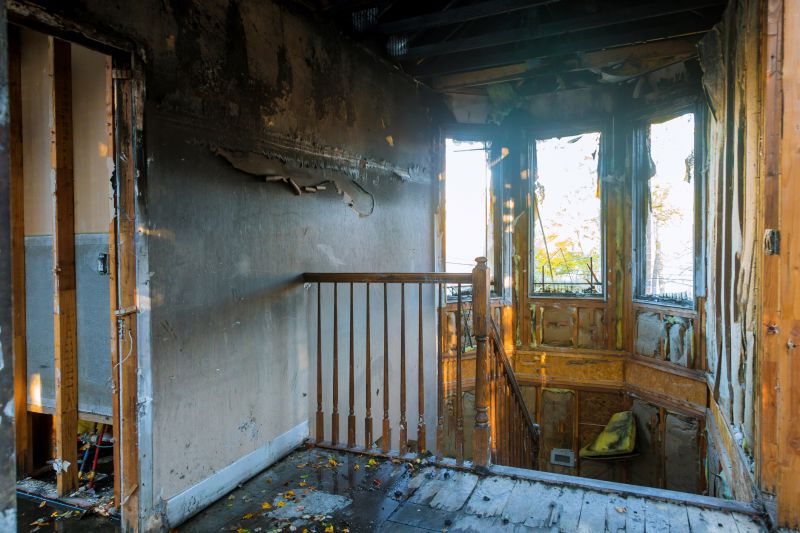
Initial evaluation of fire damage is crucial for planning restoration timing and scope.
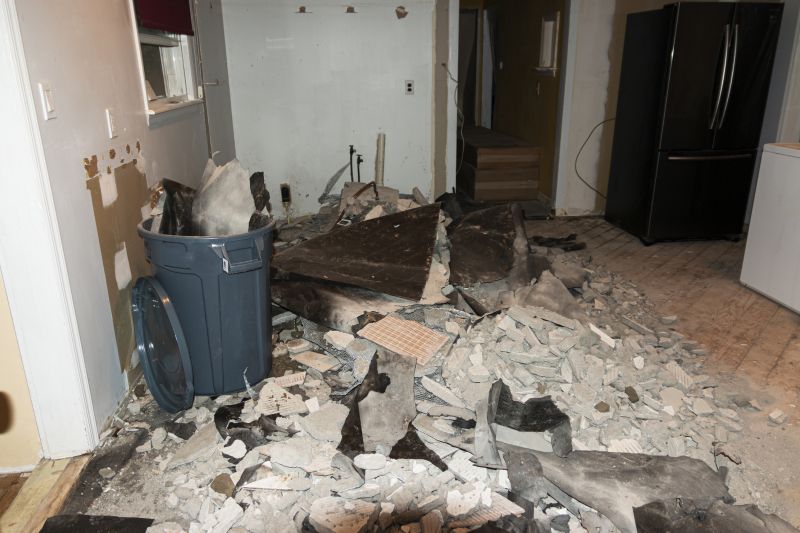
Removing debris promptly reduces secondary damage and prepares the site for repair work.
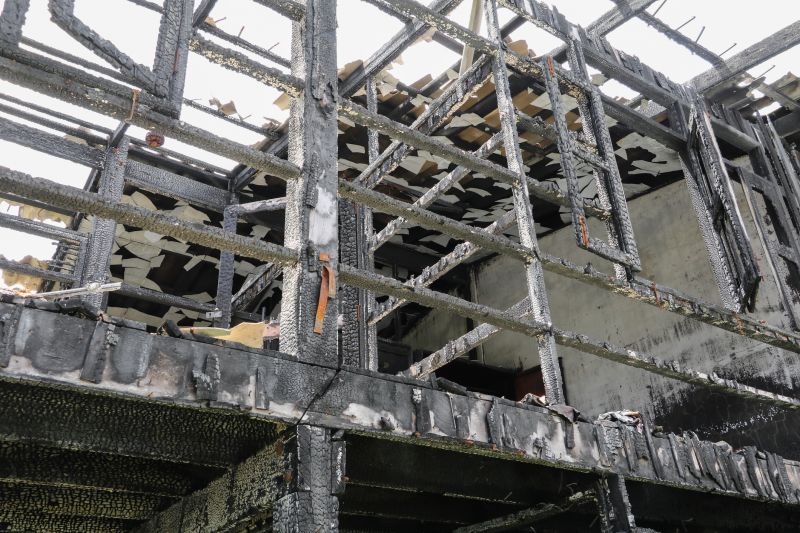
Securing the property early prevents further deterioration and ensures safety during restoration.
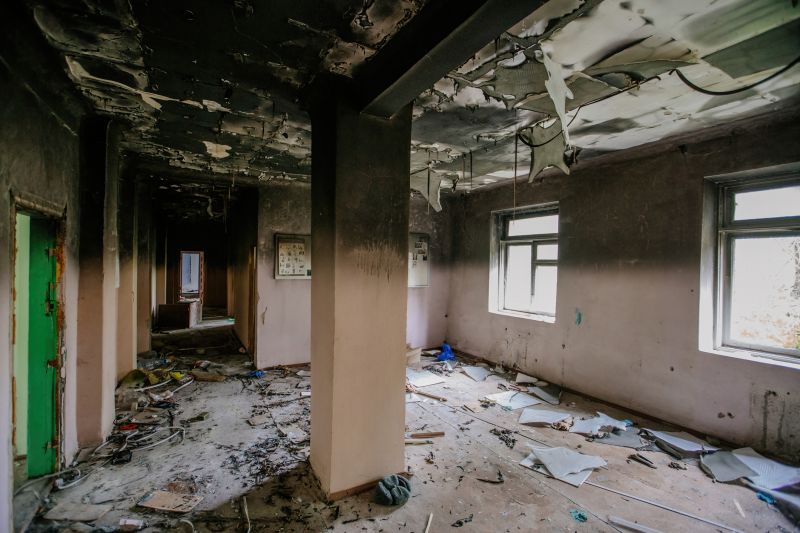
Ways to make Fire Restorations work in tight or awkward layouts.
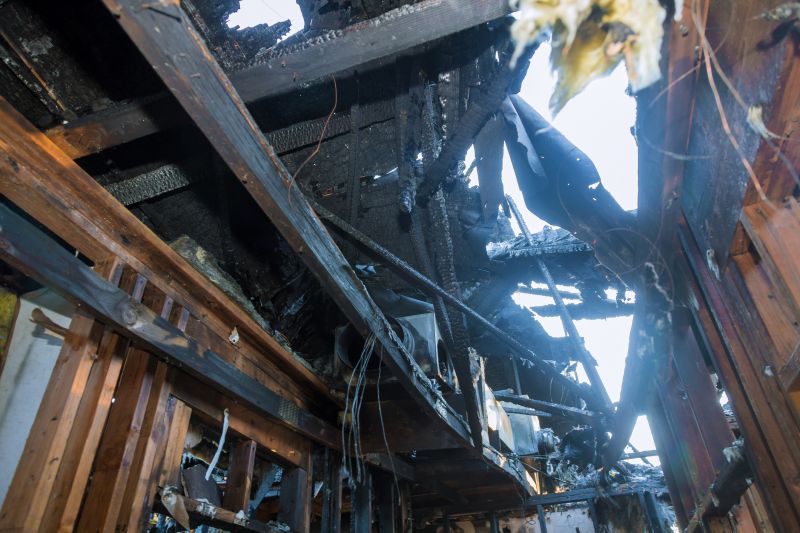
Popular materials for Fire Restorations and why they hold up over time.
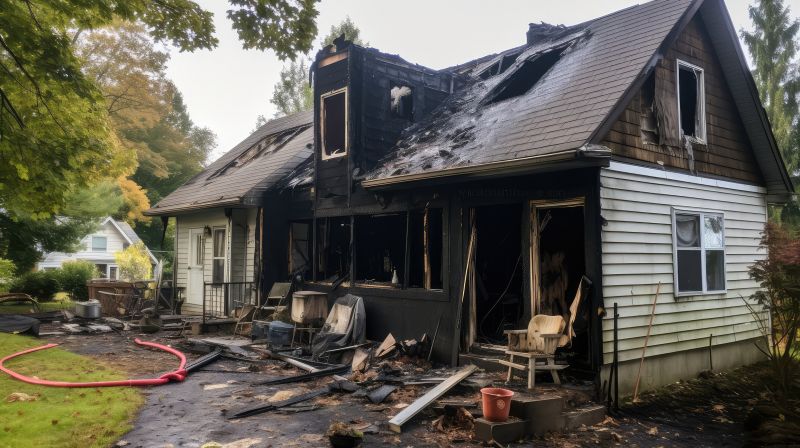
Simple add-ons that improve Fire Restorations without blowing the budget.
| Factor | Optimal Timing |
|---|---|
| Weather Conditions | Dry and mild weather is preferred |
| Fire Severity | Immediate action for severe fires; scheduled for minor fires |
| Property Accessibility | When the property is accessible and safe |
| Season | Spring and fall are ideal |
| Secondary Damage Risk | High risk if delayed, especially mold growth |
Statistics indicate that initiating fire damage restoration within 24 to 48 hours can significantly reduce the extent of secondary damage. Delays beyond this window may result in increased costs and longer recovery times, emphasizing the importance of timely intervention.
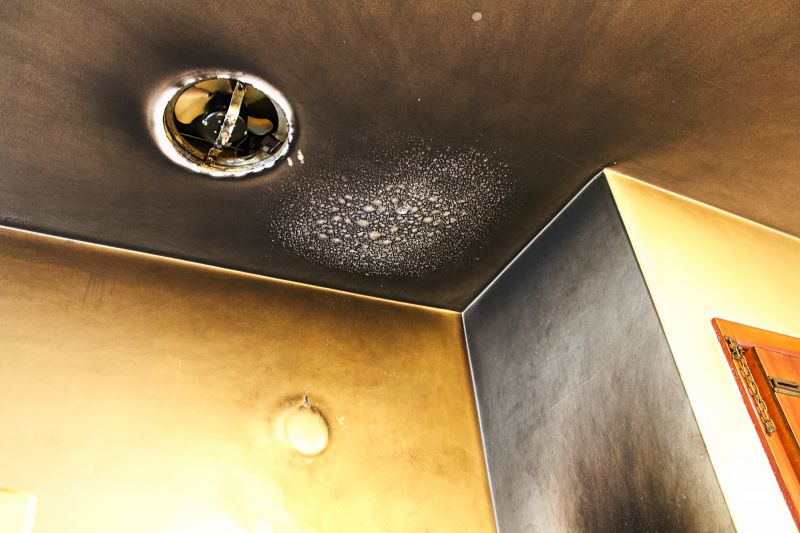
Removing soot and smoke residue is essential for health and property preservation.
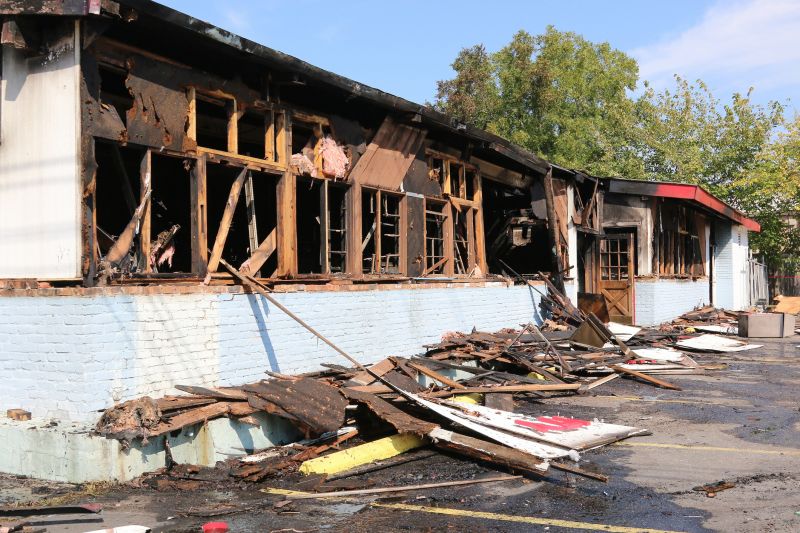
Restoring the integrity of the building is a priority after fire damage.
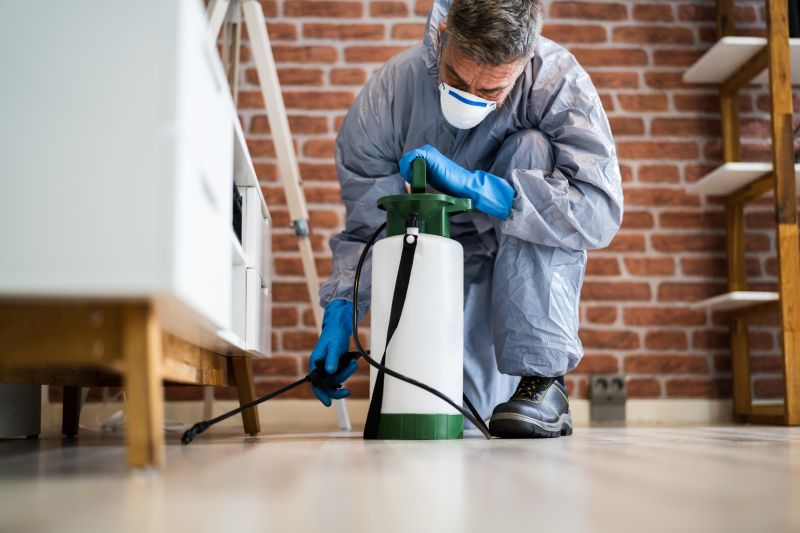
Effective odor neutralization ensures a safe and comfortable environment.
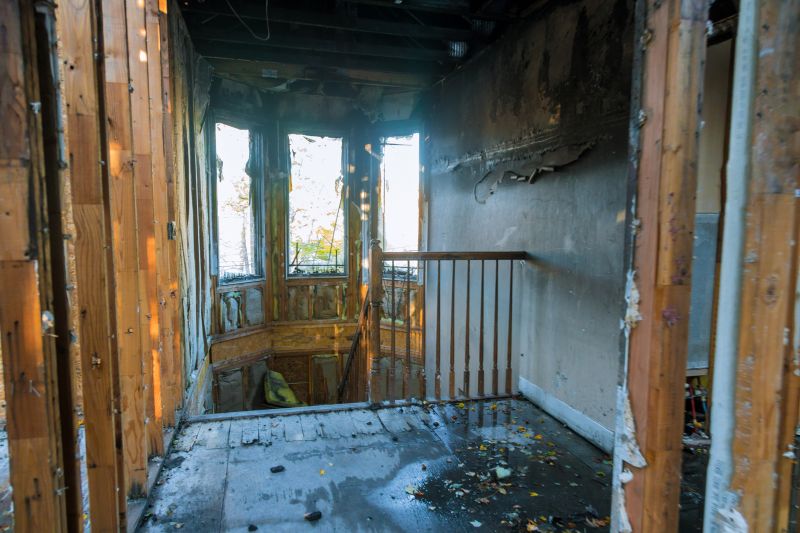
Completing repairs and returning the property to its pre-fire condition.
Interested property owners or managers should consider scheduling fire restoration services promptly after an incident. Filling out the contact form can facilitate a timely assessment and help initiate effective cleanup and repair efforts.